
AI & Marketing Now
AI-Driven Consumer Search
Generative AI tools like ChatGPT, Perplexity, and Google’s Gemini are rapidly becoming primary shopping companions for millions of customers. Research shows that AI-referred shoppers convert at over four times the rate of traditional search visitors. This shift represents a fundamental change from keyword-based Google searches to conversational product discovery. Consumers can now describe exactly what they need and receive personalized recommendations instantly.
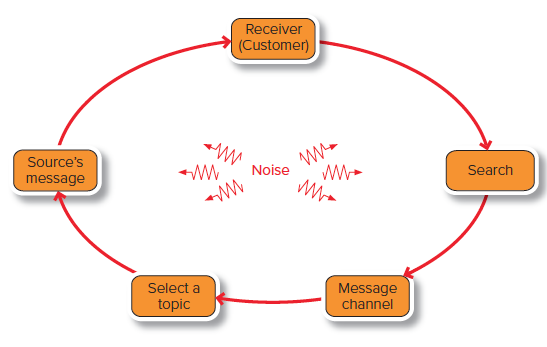
AI changes consumer search
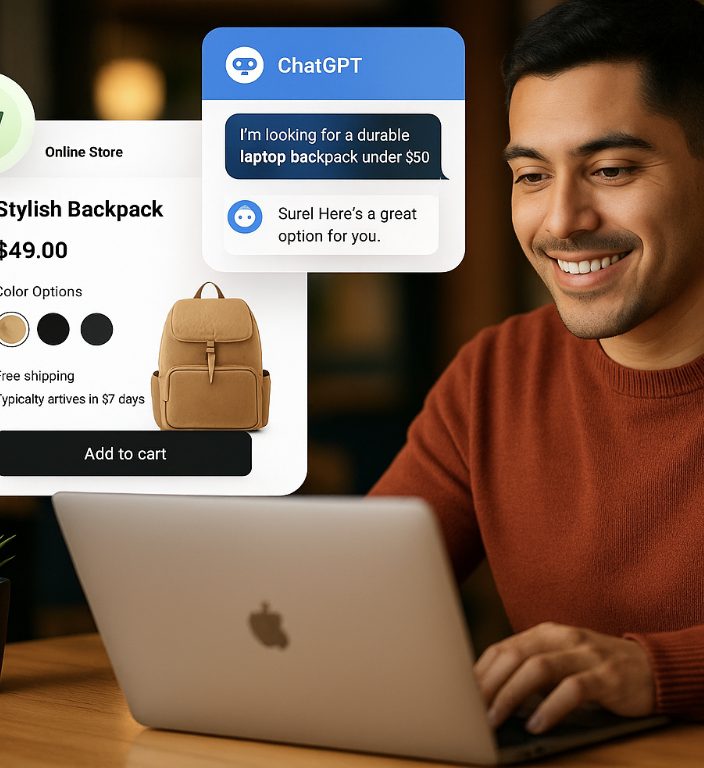
When shoppers need to buy something unfamiliar — like a college backpack or birthday gift — their starting point has shifted dramatically. Instead of typing keywords into Google and clicking through multiple websites, studies and consumer behavior analysis show that a significant portion of younger consumers now ask AI tools direct questions like “What’s a good backpack for college under $100?” These conversational queries eliminate the traditional search-and-compare process, with AI providing immediate answers that include specific brand recommendations and explanations.
This fundamental shift in shopping behavior represents a move away from the traditional problem-solving model where consumers browse multiple websites and compare options. Today’s shoppers increasingly expect immediate, conversational answers to their purchasing questions, with AI tools providing curated recommendations that bypass the need for extensive comparison shopping. This change in shopping behavior creates new challenges for marketers since AI tools don’t display traditional search results or paid advertisements.
Brands that don’t appear in AI-generated responses risk becoming invisible to shoppers, regardless of their traditional search engine rankings or advertising spend. Unlike Google’s paid placement options, most AI platforms currently don’t provide comprehensive opportunities for brands to buy their way into recommendations, making visibility through quality content and reputation the primary path to discovery. (sources)
AI referrals are helping some businesses

Let’s look at how one company benefited from AI-referrals. Adaptive clothing company Joe & Bella experienced an unexpected holiday sales surge that CEO Jimmy Zollo initially couldn’t explain. After investigating, the company discovered that ChatGPT was automatically recommending their products when users asked questions like “What’s a good gift for someone with limited mobility?” or searched for adaptive clothing options. The AI had identified Joe & Bella based on their clear product descriptions and explanations of what adaptive clothing is and who benefits from it, without any paid promotion or special optimization efforts from the company.
Similar patterns are emerging across industries. Software company Webflow reports that 8% of their new signups come from AI search tools. Similarly, marketing intelligence platform Ahrefs sees 12% of their customer acquisition through these channels. Stories like these demonstrate that AI-powered product discovery is creating measurable business results for companies with clear, helpful content about their offerings. (sources)
Why does AI recommend certain brands?
Research reveals that AI tools analyze several key factors when deciding which brands to mention in product recommendations. The most successful brands appearing in AI responses typically have extensive mentions across the web, detailed product descriptions that clearly explain their purpose and target audience, and strong positive reviews across multiple platforms. Unlike traditional search engine optimization (SEO), which focuses on specific keywords, AI systems look for comprehensive, context-rich content that demonstrates genuine expertise and authority within a product category.
How often a brand is searched and its mentions on other websites also gets a brand AI attention. The shift from clicks to mentions represents what one expert calls “the biggest change in digital marketing since the advent of social media,” as AI platforms don’t rank websites but instead directly name the brands they consider most relevant and authoritative. However, despite AI’s growing influence in product discovery, 95% of shoppers still visit retailer websites to verify details, check prices, and read additional reviews before making final purchase decisions. That is likely to change quickly as consumers get used to using AI for shopping help. (sources)