AI & Marketing Now
AI, Marketing and the Law
The United States currently takes a "use existing rules for new technology" approach to regulating AI in marketing. Regulation relies primarily on established consumer protection, advertising, and privacy laws enforced by agencies like the Federal Trade Commission (FTC) and Federal Communications Commission (FCC) rather than creating comprehensive AI-specific legislation. This approach addresses deceptive AI claims, AI-generated reviews, and automated decision-making through a patchwork of federal consumer protection laws and evolving state privacy statutes that grant consumers rights over AI-powered profiling and targeting.
Current Federal Regulations
Truth-in-advertising laws form the backbone of AI marketing regulation, requiring companies to substantiate any claims about AI capabilities before making them public. The FTC's "Operation AI Comply" enforcement action demonstrates this principle in practice — companies like AccessiBe faced penalties for claiming "AI-powered compliance in 48 hours" when their software couldn't actually deliver legal compliance, while others were sanctioned for misrepresenting basic drop-shipping delivery operations as sophisticated "AI-run ecommerce stores."
The FCC has taken specific action on AI-generated content in political communications. It proposed mandatory disclosure requirements for radio and television advertisements containing artificial intelligence-generated material. It also clarified that AI-generated voices fall under existing robocall restrictions requiring prior consumer consent. Additionally, new FTC rules targeting fake reviews and social media bots, effective October 21, 2024, explicitly prohibit AI-generated reviews designed to mislead consumers about products or services. (sources)
State Privacy Laws
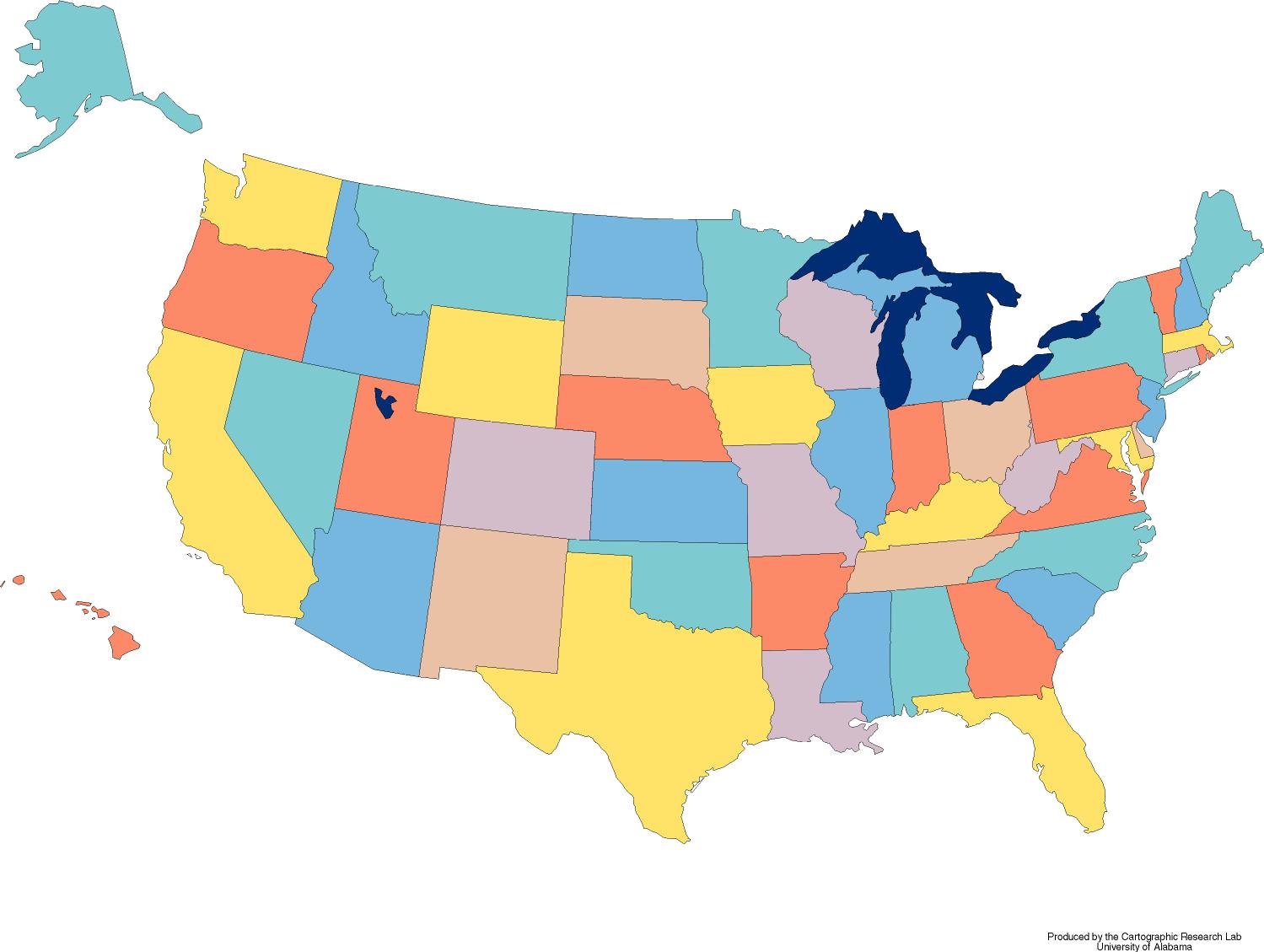
In the U.S., individual states have taken the lead in regulating AI and consumer privacy. California's Privacy Rights Act, Colorado's Privacy Act, and similar statutes in Virginia and Connecticut require companies to provide transparency about automated decision-making. Specifically, when using personal data for marketing purposes, companies must explain the logic behind their automated decisions and disclose the likely outcomes for consumers. The regulatory landscape continues to evolve, with states like Montana and Connecticut removing the "solely automated" limitation to expand consumer protections, while California's ongoing rulemaking process may establish detailed requirements for AI system disclosures and consumer appeal rights. (sources)