
AI & Marketing Now
Digital Twins in New Product Development
Digital twins are revolutionizing how companies develop new products by creating smart, virtual prototypes that can test and improve designs faster than ever before. According to reports from Fortune Business Insights, the global digital twin market is projected to grow from $24.48 billion in 2025 to $259.32 billion by 2032, demonstrating how quickly businesses are adopting this AI-powered technology to create better products while cutting development costs and time.
Digital twins explained
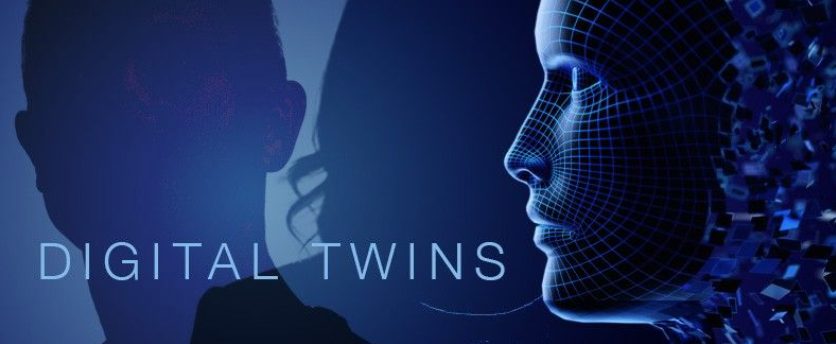
Think of a digital twin as creating a virtual copy of a product that acts just like the real thing, but exists only on a computer. Unlike traditional prototypes that you can touch but can’t change easily, these AI-powered virtual models update themselves with real-time data from sensors and can simulate thousands of different scenarios in minutes. For example, engineers can test how a new smartphone case might crack under different temperatures, or see how a bicycle frame handles various road conditions — all without building a single physical prototype. (sources)
Boeing aircraft components
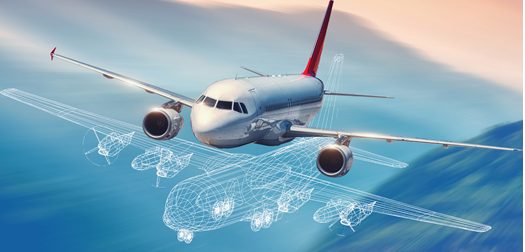
Boeing has transformed aircraft development by creating digital replicas of critical aircraft components that simulate various stress scenarios to identify potential failure points before finalizing production. This approach allows engineers to test wings, engines, and other essential parts under extreme conditions — like turbulence, temperature changes, and thousands of flight cycles — without the massive expense of building physical test models. The aviation giant uses real-time sensor data to continuously update these virtual components, ensuring they can predict maintenance needs and verify safety standards are met before any physical manufacturing begins.
The results speak for themselves: Boeing can now spot design flaws early in development that might have taken months to discover through traditional testing methods. This digital approach not only saves millions in prototype costs but also accelerates the entire certification process, since regulators can review extensive simulation data alongside physical tests to approve new aircraft designs faster. (sources)
Consumer products in action
In consumer goods, companies are using digital twins to perfect everything from everyday items to luxury products before manufacturing begins. Nike employs virtual prototypes to test athletic shoe designs under various running conditions and foot types, enabling them to optimize comfort and performance features digitally before producing physical samples. Meanwhile, Procter & Gamble creates virtual models of products like laundry detergent to simulate how different formulations interact with various fabric types and water conditions. This helps them develop more effective cleaning products while reducing the need for extensive physical testing that would require manufacturing numerous sample batches. (sources)
Retail store operations
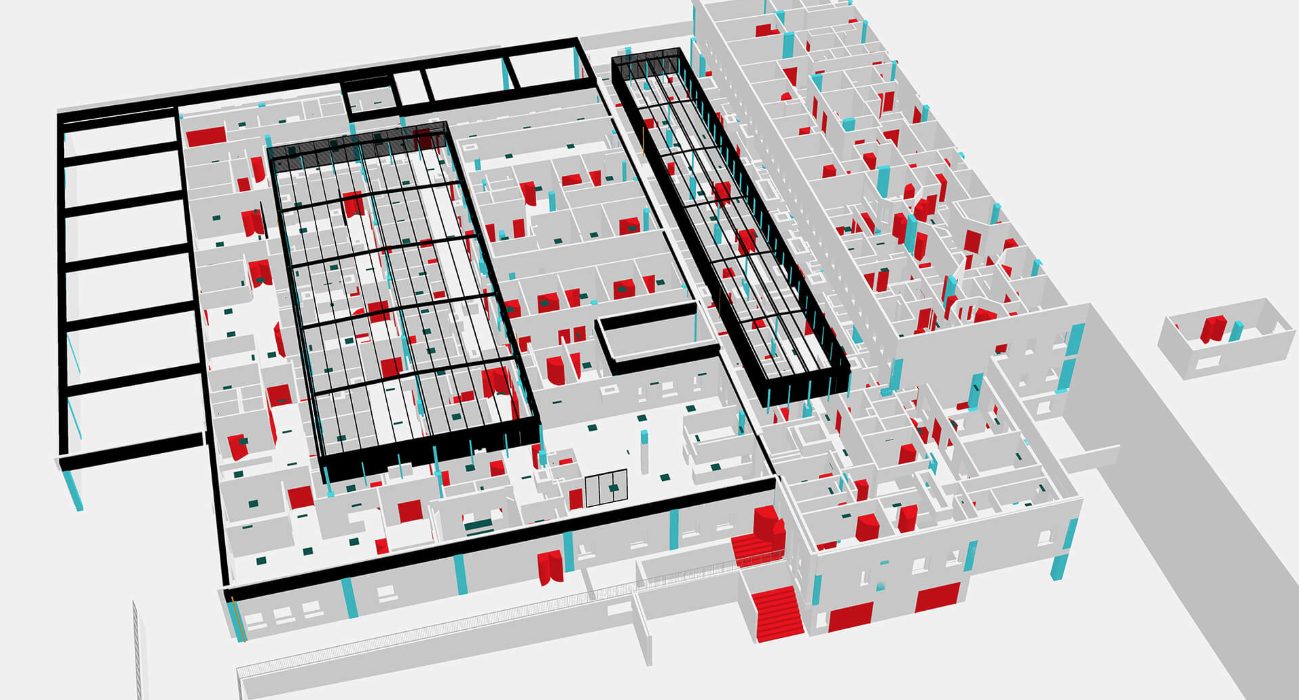
Walmart uses AI-driven digital twins to create virtual models of entire stores, including details such as shelving, floor plans, and infrastructure like refrigeration and HVAC. With these realistic simulations, teams can test different store configurations to see how each change affects customer movement and employee performance. This virtual testing allows Walmart to optimize merchandise planning and employee efficiency without the time and expense of building physical prototypes. (sources)