
AI & Marketing Now
Conversational and Voice Commerce
Artificial intelligence is transforming marketing through conversational commerce, where AI-driven conversations themselves become the storefront. OpenAI’s ChatGPT launched a revolutionary shopping feature in September 2025 that lets customers buy products directly inside conversations. WhatsApp has evolved into a complete shopping platform with significant improvements in voice commerce through smart assistants, representing the next evolution of AI-powered purchasing experiences. Let’s look closer at how these two companies are changing e-commerce and how advances in voice assistants will create more opportunities.
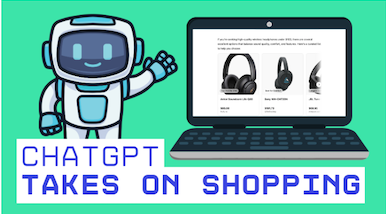
ChatGPT shopping integration
Rather than directing customers to external websites, ChatGPT now displays a “Buy” button directly in chat conversations through its Instant Checkout feature. Users can ask questions like “What are the best noise-canceling headphones under $200?” and complete their entire purchase without leaving the chat window. Major retailers, including Walmart, Etsy, and Shopify, have integrated these features into their ecommerce sites.
Initially available only to U.S. ChatGPT users purchasing from participating merchants, the feature reduces average purchase time from 4–8 minutes to just 30–90 seconds. When Etsy became the first major partner, their stock price surged 16% within hours of the announcement, signaling strong market confidence in this new shopping approach. (sources)
Other AI assistants

WhatsApp has evolved beyond messaging into a complete shopping platform where customers can browse, ask questions, and make purchases entirely within chat threads. AI chatbots on the platform handle product recommendations, answer questions, and guide users through checkout without requiring them to switch apps or visit separate websites. This creates a more seamless experience where the entire customer journey happens in one familiar messaging interface.
Carrefour uses an AI assistant called Hopla that provides personalized grocery suggestions based on customers’ budgets and dietary preferences, while ThredUp’s AI helps customers create vintage-inspired outfits from simple prompts like “80s–90s birthday party style.” (sources)
Voice assistant improvements
Smart speakers and voice assistants like Amazon Alexa, Google Assistant, and Siri have become much better at understanding what you actually mean, even when you phrase requests in different ways. The technology now remembers your personal preferences — so when you say “order olive oil” while cooking, it automatically defaults to the organic brand you usually buy instead of asking you to choose from dozens of options.
These improvements make voice shopping feel more natural and personalized, turning routine purchases into simple voice commands. Voice commerce has evolved significantly, transforming from a novelty feature into a primary shopping method for everyday essentials. These companies anticipate that consumers will soon regularly use voice commands to purchase groceries, household supplies, and reorder products they buy frequently, making it an integral part of their shopping routine. (sources)