
AI & Marketing Now
AI and Copy Thrust
Artificial intelligence has rapidly evolved from a tool that simply optimizes existing advertisements to a creative partner that helps marketers generate original ideas for copy thrust—the words and images that make up advertising content. While traditional advertising relied on human teams spending weeks developing concepts, AI now enables marketers to brainstorm faster, create multiple variations instantly, and test dozens of approaches in the time it once took to produce a single ad.
AI as creative partner
Modern marketing teams now use AI tools as brainstorming assistants to overcome creative blocks and generate fresh ideas quickly. Instead of staring at blank pages, copywriters can input prompts like “Give me five emotional angles for selling eco-friendly water bottles to college students” and receive multiple creative directions instantly. Companies like IBM have integrated AI into their design thinking workshops, where the technology analyzes past projects, customer feedback, and industry trends to suggest new approaches during brainstorming sessions.
The key advantage lies in AI’s ability to process vast amounts of consumer sentiment data and market trends to generate campaign concepts that actually resonate with target audiences. However, successful implementation requires treating AI as a creative accelerator rather than a replacement—human marketers still provide the strategic thinking, emotional intelligence, and final creative decisions that algorithms cannot replicate. (sources)
Rapid variation generation
Instead of spending weeks perfecting one creative direction, marketers can now generate dozens or hundreds of different ad concepts in hours. This rapid iteration approach lets teams test multiple ideas with small audiences, identify what resonates, and refine winners before committing resources to full campaigns. (sources)
AI offers low cost, quick turnaround for creative ideas
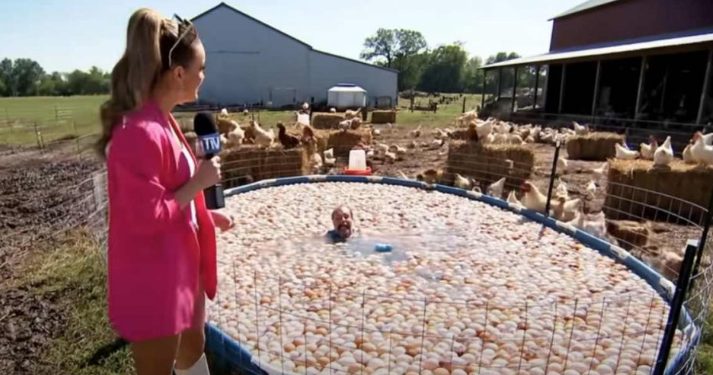
Major brands are successfully implementing AI-generated creative concepts in live campaigns with impressive results. Kalshi, a prediction market platform, created an advertisement that ran during the NBA Finals. The ad, featuring fake imagery of a farmer floating in eggs and an alien drinking beer, was created using AI tools like ChatGPT, Runway, and Pika. The ad went from script to screen in less than 48 hours and cost less than $2,000 to produce, quite a savings compared to typical six-figure traditional ad budgets.
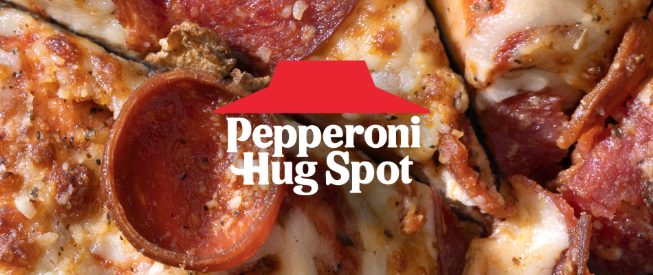
Pizza Hut showed remarkable creative agility when it embraced the viral, AI-generated parody “Pepperoni Hug Spot.” Inspired by an Internet meme featuring a quirky, but fake ad for a fictional pizza restaurant, the brand partnered with the meme’s creator and its own advertising agency to bring the concept to life. For a limited time, Pizza Hut rebranded several real locations—including a Toronto store—with Pepperoni Hug Spot’s signage, staff uniforms, and menu items pulled straight from the original AI video. (sources)
Creating images at much lower cost

Tools like Midjourney and DALL-E are revolutionizing how marketers create visual concepts by generating images from text descriptions in seconds. A marketing team can type “modern coffee shop with warm lighting and young professionals” (see DALL-E-generated example above) and receive multiple visual options instantly, eliminating the need for expensive photoshoots across different audience segments. This capability enables brands to match specific colors, moods, and styles to different target demographics—financial services companies might use golden tones in AI-generated images to evoke trust, while youth-oriented brands prompt for brighter, more energetic visuals. (sources)